Islamic manners for kids, called adab, are the everyday habits of good character the Prophet ﷺ taught: greeting with salam, saying Bismillah and eating with the right hand, telling the truth, thanking people, respecting elders and being gentle with animals. Children learn adab best by watching adults, practising one habit at a time and hearing the story behind it. Here are 20 essential manners, each with its source in the Quran or authentic hadith and a simple way to teach it.
Key takeaways
- Adab is the practical side of Islam: how a Muslim speaks, eats, plays and treats others. The Prophet ﷺ said, "The best amongst you are those who have the best manners and character" (Sahih al-Bukhari 3559).
- Every manner in this list comes from the Quran or a verified hadith, with the reference so you can read it yourself.
- Teach one manner a week, tied to a real moment (the table, the front door, a sneeze), and model it yourself first.
- Correct gently. The Prophet ﷺ corrected a young boy's table manners with three short, kind sentences.
- Praise the effort more than the result; manners take years, not days.
What is adab in Islam?
Adab means good manners, etiquette and refined character, the way faith shows up in behaviour. Allah praised the Prophet ﷺ in the Quran: وَإِنَّكَ لَعَلَىٰ خُلُقٍ عَظِيمٍ, "And indeed, you are of a great moral character" (Surah Al-Qalam 68:4).
He was also the gentlest teacher of manners. Anas ibn Malik, who served in his household for ten years, said: "I served the Prophet ﷺ for ten years, and he never said to me 'Uf' and never blamed me by saying, 'Why did you do so or why didn't you do so?'" (Sahih al-Bukhari 6038). That is the model for teaching adab: clear, warm and patient.
20 Islamic manners for kids at a glance
| # | Manner | What your child does | Source |
|---|---|---|---|
| 1 | Greet with salam | Says "Assalamu alaikum" first | Sahih Muslim 54 |
| 2 | Say good or stay quiet | Thinks before speaking | Sahih al-Bukhari 6018 |
| 3 | Tell the truth | Owns up, even when it's hard | Sahih al-Bukhari 6094 |
| 4 | Thank people | Says "Jazakallahu khayran" | Jami' at-Tirmidhi 2035 |
| 5 | Smile | Greets others with a smile | Jami' at-Tirmidhi 1956 |
| 6 | No mocking or name-calling | Uses kind names | Quran 49:11 |
| 7 | Speak gently | Uses an indoor voice | Quran 31:19 |
| 8 | Bismillah and the right hand | Eats with the right hand from what's nearest | Sahih al-Bukhari 5376 |
| 9 | Don't criticise food | Eats it or leaves it politely | Sahih al-Bukhari 5409 |
| 10 | Don't waste | Takes small portions | Quran 7:31 |
| 11 | Honour parents | Speaks respectfully, never "uff" | Quran 17:23 |
| 12 | Ask permission | Knocks before entering | Quran 24:27, 24:58 |
| 13 | Help at home | Has a daily job | Sahih al-Bukhari 676 |
| 14 | Stay clean | Washes hands, tidies up | Sahih Muslim 223 |
| 15 | Respect elders, be kind to little ones | Gives up a seat, helps younger kids | Sunan Abi Dawud 4943 |
| 16 | Control anger | Pauses and calms down | Sahih al-Bukhari 6116 |
| 17 | Keep promises | Does what they said they'd do | Quran 17:34 |
| 18 | Want good for others | Shares and takes turns | Sahih al-Bukhari 13 |
| 19 | Sneezing and yawning manners | Says "Alhamdulillah," covers yawns | Sahih al-Bukhari 6223, 6224 |
| 20 | Be kind to animals | Gives water, never hurts creatures | Sahih al-Bukhari 2363 |
Manners of speech
1. Greet with salam
The Prophet ﷺ said, "Should I not direct you to a thing which, if you do, will foster love amongst you? Spread salam among you" (أَفْشُوا السَّلاَمَ بَيْنَكُمْ, Sahih Muslim 54). Teach it: greet your child with salam every morning and at pick-up, and have them reply "Wa alaikum assalam."
2. Say something good or stay quiet
"Anybody who believes in Allah and the Last Day should talk what is good or keep quiet" (Sahih al-Bukhari 6018). Teach it: a simple question before speaking: "Is it kind? Is it true? Does it need saying?"
3. Tell the truth
"Truthfulness leads to righteousness, and righteousness leads to Paradise" (Sahih al-Bukhari 6094). Teach it: when your child admits a mistake, thank them for their honesty first and deal with the spill second. Children stop telling the truth when the truth always gets them in trouble.
4. Thank people with "Jazakallahu khayran"
Whoever says جَزَاكَ اللَّهُ خَيْرًا, "May Allah reward you with good," to someone who helped them "has done the most that he can of praise" (Jami' at-Tirmidhi 2035, graded hasan). The Prophet ﷺ also said, "He who does not thank the people is not thankful to Allah" (Sunan Abi Dawud 4811, graded sahih by al-Albani). Teach it: prompt it at every gift, playdate and meal someone else cooked.
5. Smile
"Your smiling in the face of your brother is charity" (Jami' at-Tirmidhi 1956, graded hasan). Teach it: tell children a smile is a free sadaqah they can give a hundred times a day.
6. No mocking or name-calling
"Let not a people ridicule another people; perhaps they may be better than them... and do not call each other by offensive nicknames" (Quran 49:11). Teach it: a family rule that we only call people by names they like.
7. Speak gently
Luqman told his son, "Lower your voice" (Quran 31:19). Teach it: practise "indoor voice" and "outdoor voice" as a game, and lower your own voice when your child is loud. It works better than shouting "Stop shouting!"
Manners at the table
8. Bismillah, the right hand and what's nearest
This one was taught to a child. Umar ibn Abi Salamah was a young boy whose hand wandered all over the dish, and the Prophet ﷺ said to him: يَا غُلاَمُ سَمِّ اللَّهَ، وَكُلْ بِيَمِينِكَ، وَكُلْ مِمَّا يَلِيكَ, "O boy! Mention the name of Allah, eat with your right hand, and eat from what is nearer to you." Umar said he ate that way for the rest of his life (Sahih al-Bukhari 5376). Teach it: the same three short sentences, said kindly, at every meal.
9. Don't criticise food
"The Prophet ﷺ never criticized any food... he used to eat if he liked the food, and leave it if he disliked it" (Sahih al-Bukhari 5409). Teach it: replace "Yuck!" with "No, thank you." It also makes packed lunches easier; see our halal lunch ideas for kids.
10. Don't waste
"Eat and drink, but be not excessive" (Quran 7:31). Teach it: small first portions, seconds if still hungry, and a "clean plate, thankful heart" habit with Alhamdulillah at the end.
Manners at home
11. Honour your parents
"Say not to them so much as 'uff,' and do not repel them but speak to them a noble word" (Quran 17:23). Teach it: talk about the "uff" rule openly. Children find it striking that even a sigh of annoyance is mentioned in the Quran.
12. Ask permission before entering
The Quran tells believers not to enter others' homes until they have asked permission and greeted the people inside (24:27). It also teaches that children who have not reached puberty should ask permission at three private times: before Fajr, at midday rest and after Isha (24:58). Teach it: knock, say salam and wait for "Come in," especially at parents' bedroom doors.
13. Help at home
Aisha was asked what the Prophet ﷺ did at home. She said, "He used to keep himself busy serving his family" (Sahih al-Bukhari 676). Teach it: every child gets a daily job they can manage: setting spoons, feeding the cat, pairing socks.
14. Stay clean
"Cleanliness is half of faith" (Sahih Muslim 223). Teach it: handwashing before meals and after the bathroom, tidying toys before a new activity, and wudu as children get older; see our guide to teaching kids wudu.
Manners with other people
15. Respect elders and be kind to little ones
"Those who do not show mercy to our young ones and do not realise the right of our elders are not from us" (Sunan Abi Dawud 4943, graded sahih by al-Albani). Teach it: greet grandparents first, offer them a seat, and give older children the job of helping younger ones.
16. Control anger
A man asked the Prophet ﷺ for advice, and he answered three times, "Do not become angry" (Sahih al-Bukhari 6116). Teach it: a calm-down plan practised when everyone is calm: stop, say A'udhu billahi minash-shaytanir-rajim, take three breaths, sit down.
17. Keep promises
"And fulfil every commitment. Indeed, the commitment is ever that about which one will be questioned" (Quran 17:34). Teach it: keep the small promises you make to your child. They learn what a promise means from you.
18. Want for others what you want for yourself
"None of you will have faith till he wishes for his brother what he likes for himself" (Sahih al-Bukhari 13). Teach it: sharing and turn-taking, framed as "How would you feel if you were waiting?"
Manners with Allah's creation
19. Sneezing and yawning
"Allah likes sneezing and dislikes yawning" (Sahih al-Bukhari 6223). After a sneeze, say Alhamdulillah; the listener replies Yarhamuk Allah; and the sneezer answers Yahdikumullah wa yuslih balakum (Sahih al-Bukhari 6224). When yawning, try to hold it back and cover the mouth. Teach it: children love this call-and-response; the words are in our daily duas for kids.
20. Be kind to animals
The Prophet ﷺ told of a man who climbed down a well to bring water in his shoe for a thirsty dog: "Allah thanked him for his deed and forgave him" (Sahih al-Bukhari 2363). Teach it: fill a bird bath, step around ants, and never let play hurt a living thing.
Teaching adab by age
| Age | Focus | Example manners |
|---|---|---|
| 2–3 | Copying words and simple actions | Salam, Bismillah, right hand, "Jazakallahu khayran" |
| 4–5 | Routines with reasons | Knocking, no "yuck," indoor voice, tidying, sneezing response |
| 6–8 | Self-control and fairness | Truth-telling, controlling anger, turn-taking, keeping promises |
| 9+ | Character and empathy | Respecting elders, helping younger children, guarding the tongue |
Teaching manners the prophetic way
Model it first. Children copy what they see far more than what they're told. If you say salam, thank the cashier and speak gently, they will too.
Correct in a few kind words. Look at the hadith of Umar ibn Abi Salamah again: three short instructions, no shaming, and a boy who never forgot. For more on this approach, read our prophetic parenting tips.
Tell the story behind the manner. "The Prophet ﷺ said a smile is charity" is far more memorable than "Smile, please."
Praise specifically. "You knocked and waited. That's real adab" builds identity. Our guide to building Islamic identity in the early years explains why.
Pick one manner a week. Write it on the fridge and notice it every time it happens.
Tip: Role-play works wonders with four- and five-year-olds. Act out a visit to Grandma's (knock, salam, wait), a snack (Bismillah, right hand, "no thank you") and a sneeze, and let your child play the grown-up.
Adab at school in Ottawa
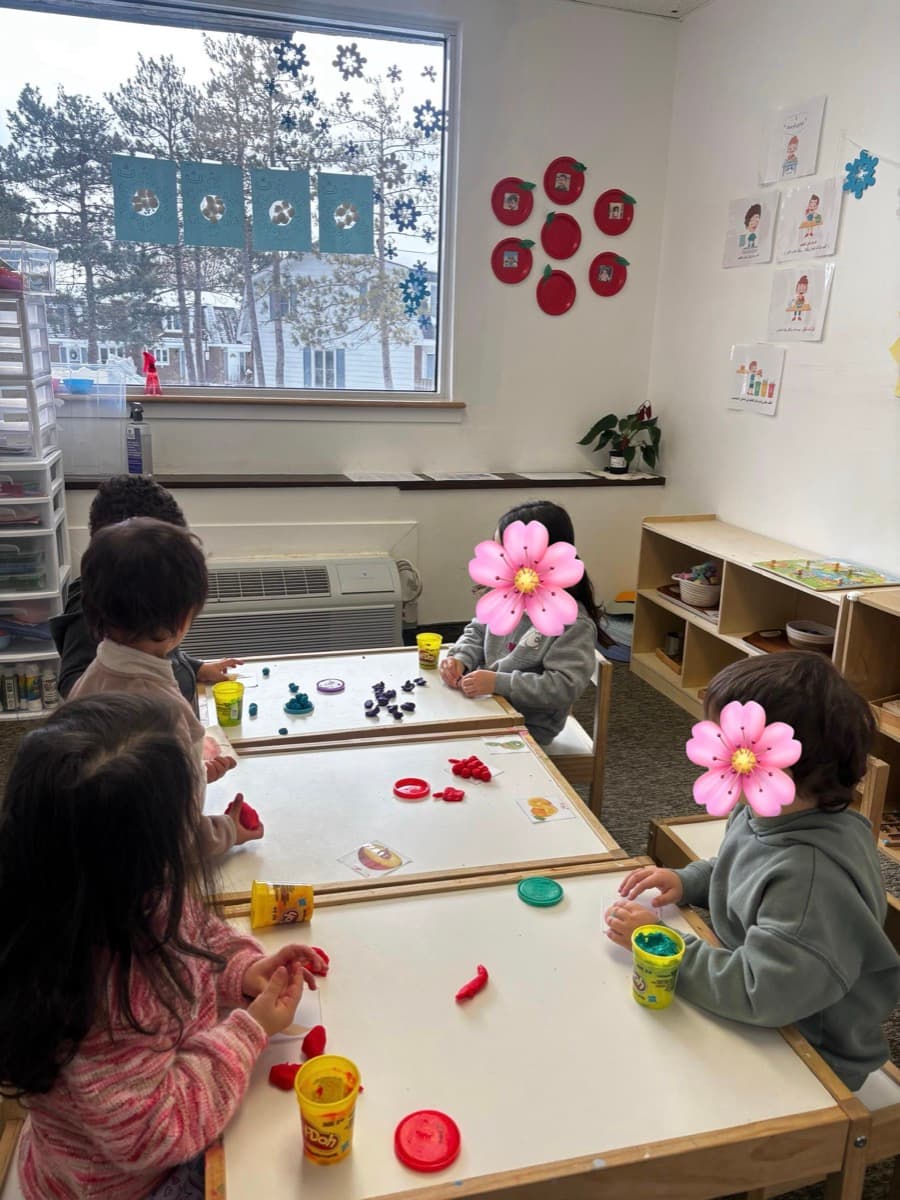
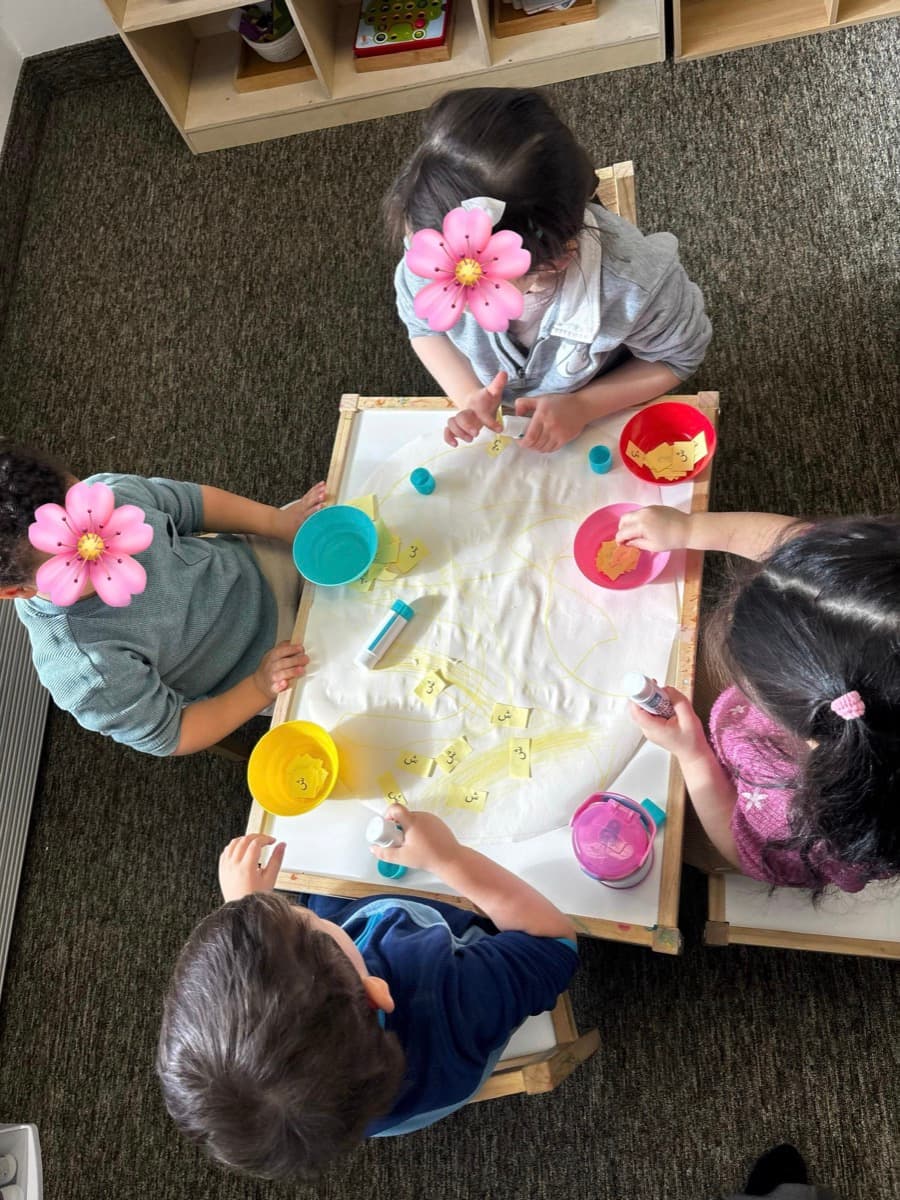
Manners stick when home and school use the same words. At QAF School in Nepean, adab is part of daily learning in our full-day Islamic JK and SK classrooms, alongside Quran, duas, Islamic Studies and daily Arabic. The Montessori-inspired environment helps: children practise courtesy every day by greeting, waiting their turn, tidying materials and caring for shared spaces. Our article on how Montessori meets Islamic values shows how the two fit together.
If you're comparing options, our guide to Islamic schools in Ottawa covers full-time schools, and the overview of weekend Islamic schools in Ottawa suits families whose children attend public school.
Is QAF right for your family?
QAF is a good fit if your child is 4 or 5 and you want manners, Quran and Arabic woven into a full school day rather than added on at weekends. Our Islamic JK/SK program runs 9:00 AM to 3:00 PM, Monday to Friday, September to June, at 900 Dynes Rd, aligned with Ontario's kindergarten curriculum. Tuition is $690 a month for 10 months plus a $190 annual resource fee, with a sibling discount.
It's probably not the right fit if your child is younger than 4 or already in Grade 1, or if a daily drive to Nepean isn't realistic. Everything in this guide works at home, and a weekend program can reinforce it. Children aged 8–15 can also join our Sunday Quran and Arabic camp in Ottawa.
Bringing it all together
Islamic manners for kids aren't a list to memorise. They're habits built one moment at a time: a salam at the door, a Bismillah at the table, a knock before entering, a kind word after a sneeze. Choose one manner this week, model it, tell the story behind it and praise every attempt. Twenty manners, one a week, is a beautiful first year of adab.
Want your child's school day to reinforce the adab you teach at home? Book a visit to QAF School and see our Islamic JK/SK classrooms in Ottawa, or call or WhatsApp us with your questions.