When a parent searches for a “Muslim daycare near me,” they are rarely just looking for supervision. They are looking for four things at once: food they can trust to be halal, adults who share their values, an environment where duas and adab are part of the day rather than an afterthought, and — for many families — exposure to Arabic while their child’s brain is most ready for it. This guide walks through how to evaluate Islamic child care in Ottawa, and explains a distinction that matters more than most parents realize once a child turns four.
What Makes Child Care Genuinely “Islamic”
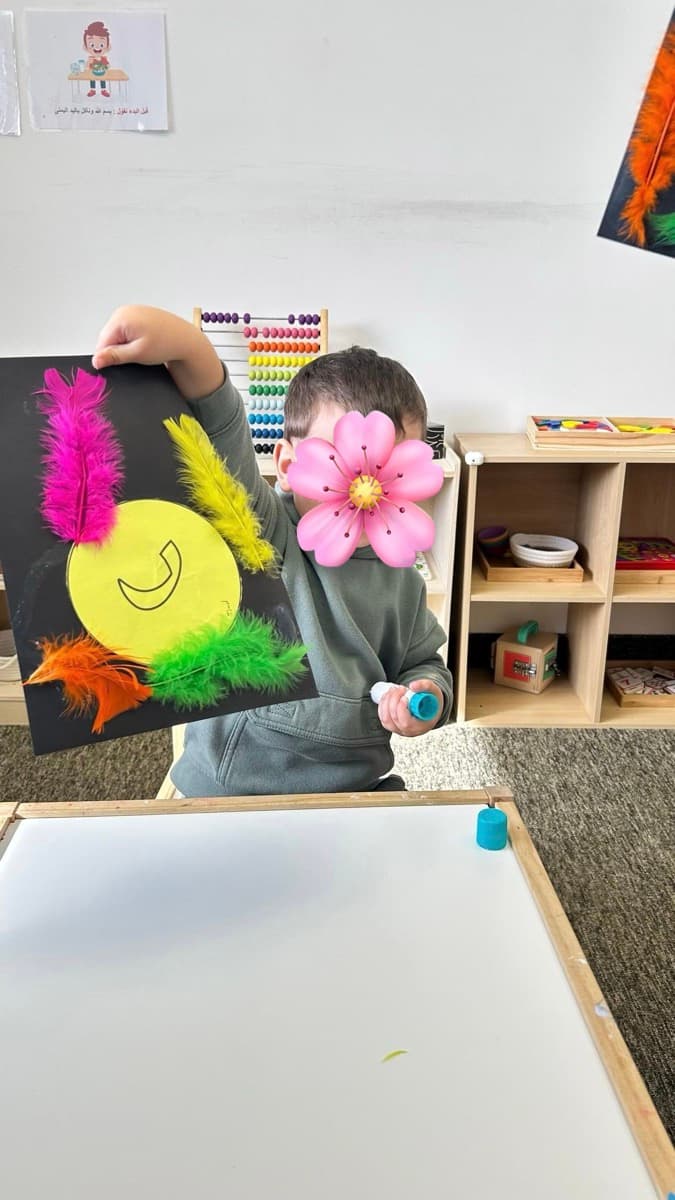
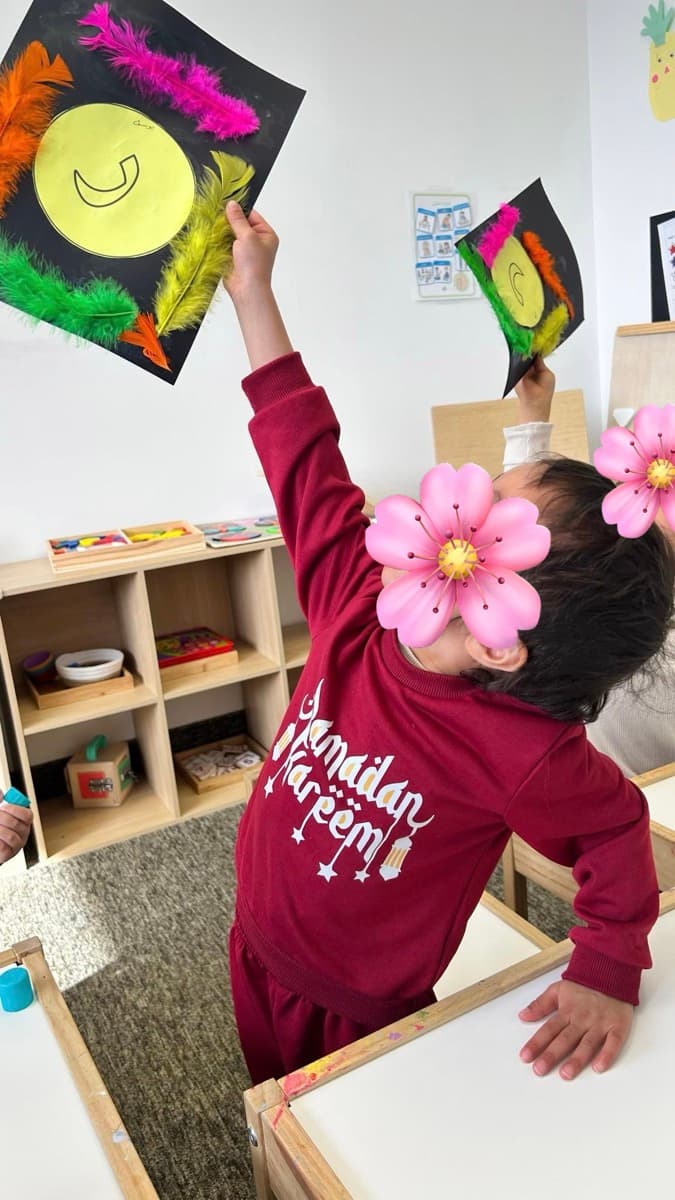
Anyone can put the word Islamic on a sign. What you are actually looking for is practice: halal food policies that are enforced rather than assumed, bismillah and daily duas woven into routines, gentle teaching of adab — how we speak, share, and treat one another — educators who model the character you want your child to absorb, and ideally daily Arabic in songs, greetings, and play. When you visit, do not ask “is this an Islamic environment?” Ask “what did the children do this morning?” and listen for whether the deen shows up in the answer.
Daycares, Home Care, and Schools: Know What You Are Comparing
In Ontario, licensed child care centres and licensed home child care operate under the Child Care and Early Years Act, with regulated ratios and inspections — if you are considering a daycare, ask to see the licence. Unlicensed home daycares are legal within strict limits on the number of children, but carry fewer safeguards, so ask more questions. Private schools like QAF are a different category altogether: an educational institution with a structured curriculum, a school day, and a school year. None of these is automatically better — an infant needs different care than a five-year-old — but you should know which one you are standing in.
A Practical Checklist for Your Visit
Whatever option you tour, check the same things: How many children per adult, really, at busy times? Is the space clean, organized, and set up for children rather than for adult convenience? How will you hear about your child’s day — photos, messages, a daily report, or nothing? What is the sick policy and the discipline approach? Is the facility nut-aware or nut-free? And trust the small signals: how staff speak to children when they think no one is watching tells you more than any brochure.
The Question Nobody Asks: Is Your Child Ready for More Than Daycare?
Here is the distinction that matters at age four. In Ontario, children can begin Junior Kindergarten the year they turn four — and this is the age when a play-based but structured educational program starts to matter. A four-year-old in an excellent daycare is cared for; a four-year-old in an excellent kindergarten is cared for and systematically taught early literacy, numeracy, self-regulation, and — at an Islamic school — Quran and Arabic through daily immersion. If your child is 4 or 5, the real comparison is no longer between daycares. It is between daycare and school.
Where QAF Fits
QAF School is not a daycare — we are Ottawa’s Islamic JK and SK kindergarten at 900 Dynes Rd, serving ages 4 and 5 from 9:00 AM to 3:00 PM. Children get everything families hope to find in a Muslim daycare — a nut-free, halal environment, daily duas, adab, warm Muslim educators — plus a full Ontario-aligned academic program and daily Arabic immersion. Curious what the day actually contains? Read what a day looks like at QAF from drop-off to pick-up.
Is your child turning 4 or 5? Submit an inquiry and come see the difference a real kindergarten makes.