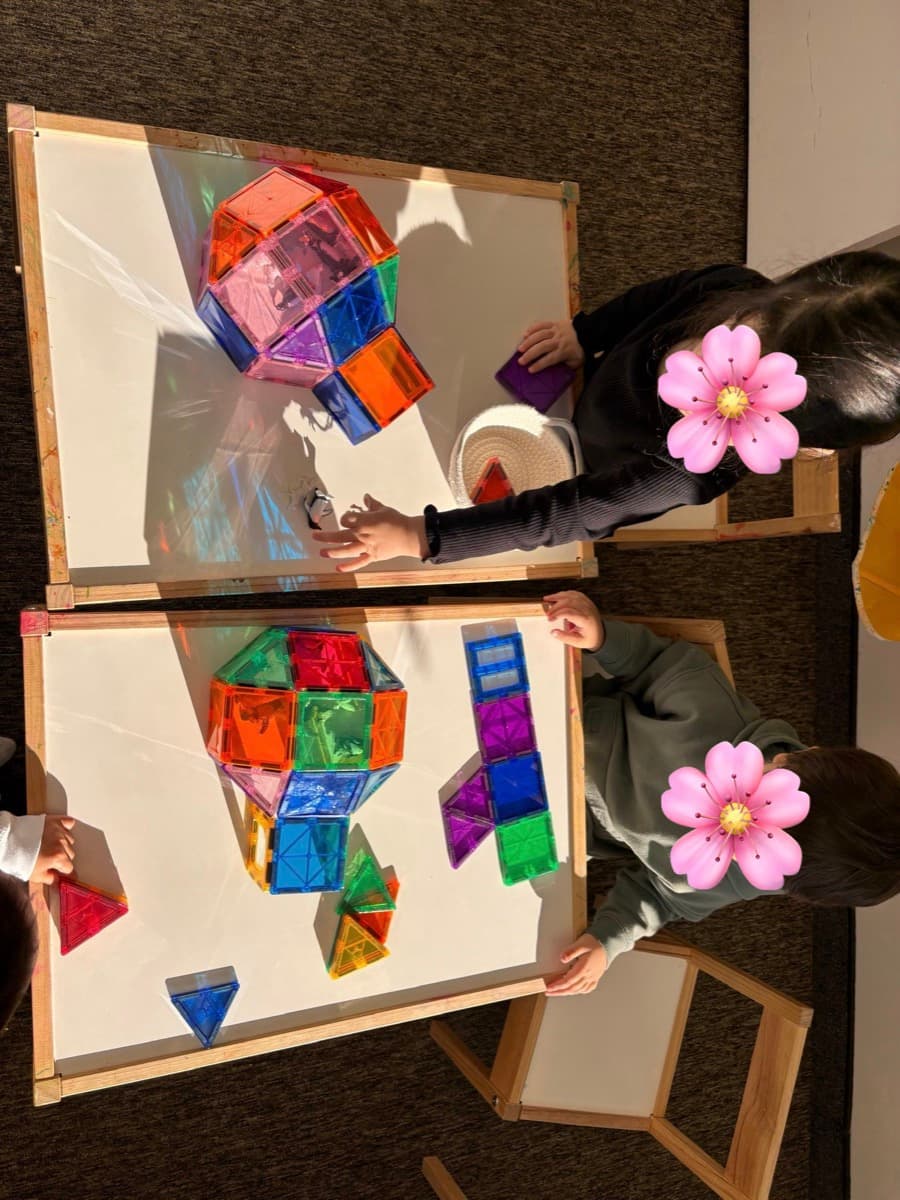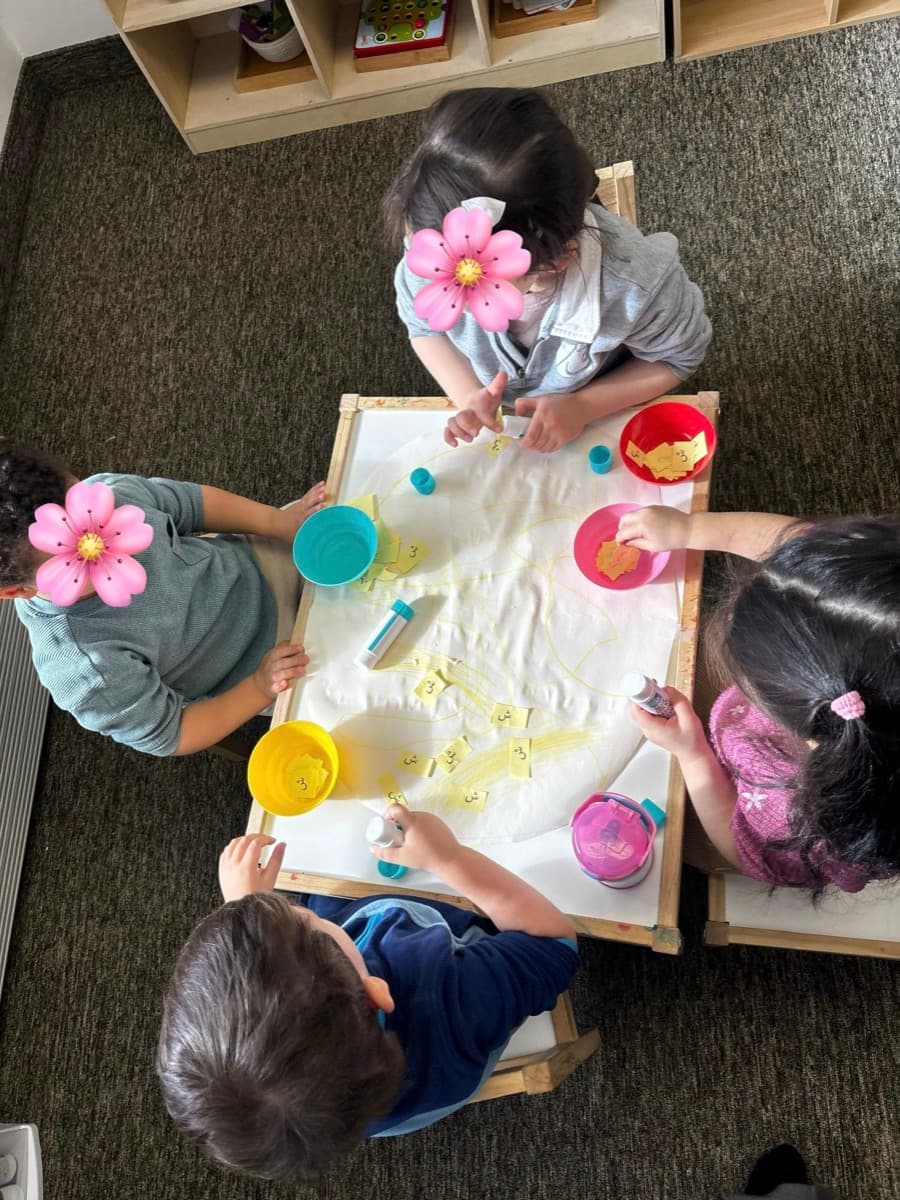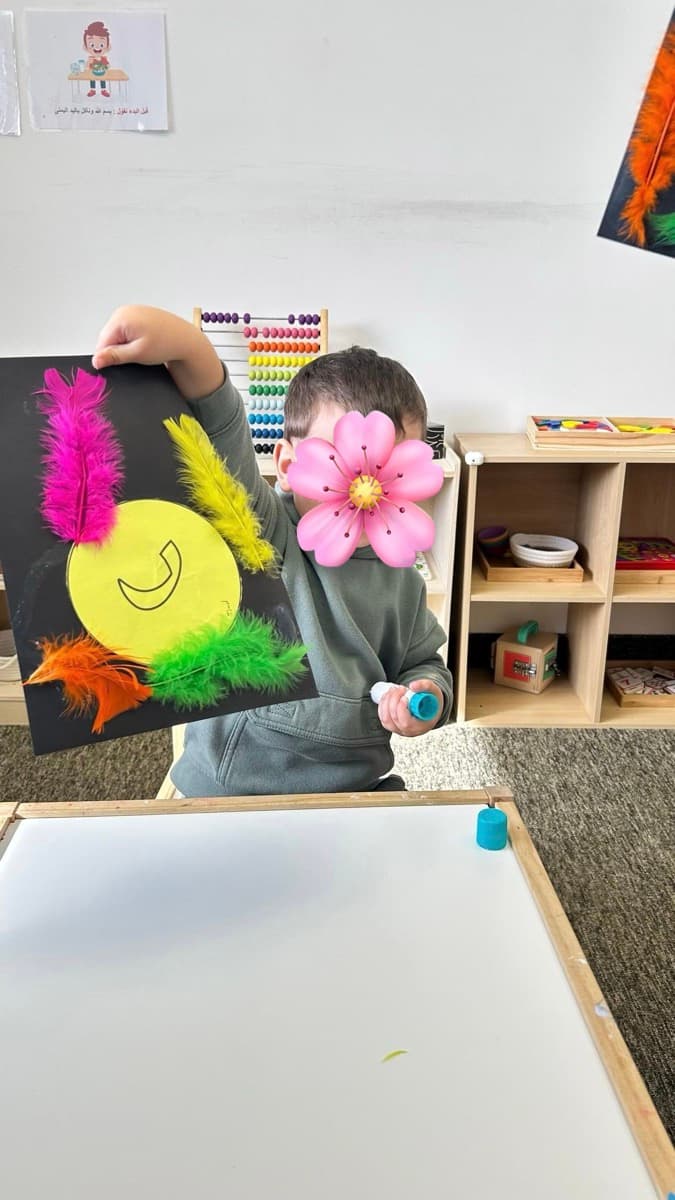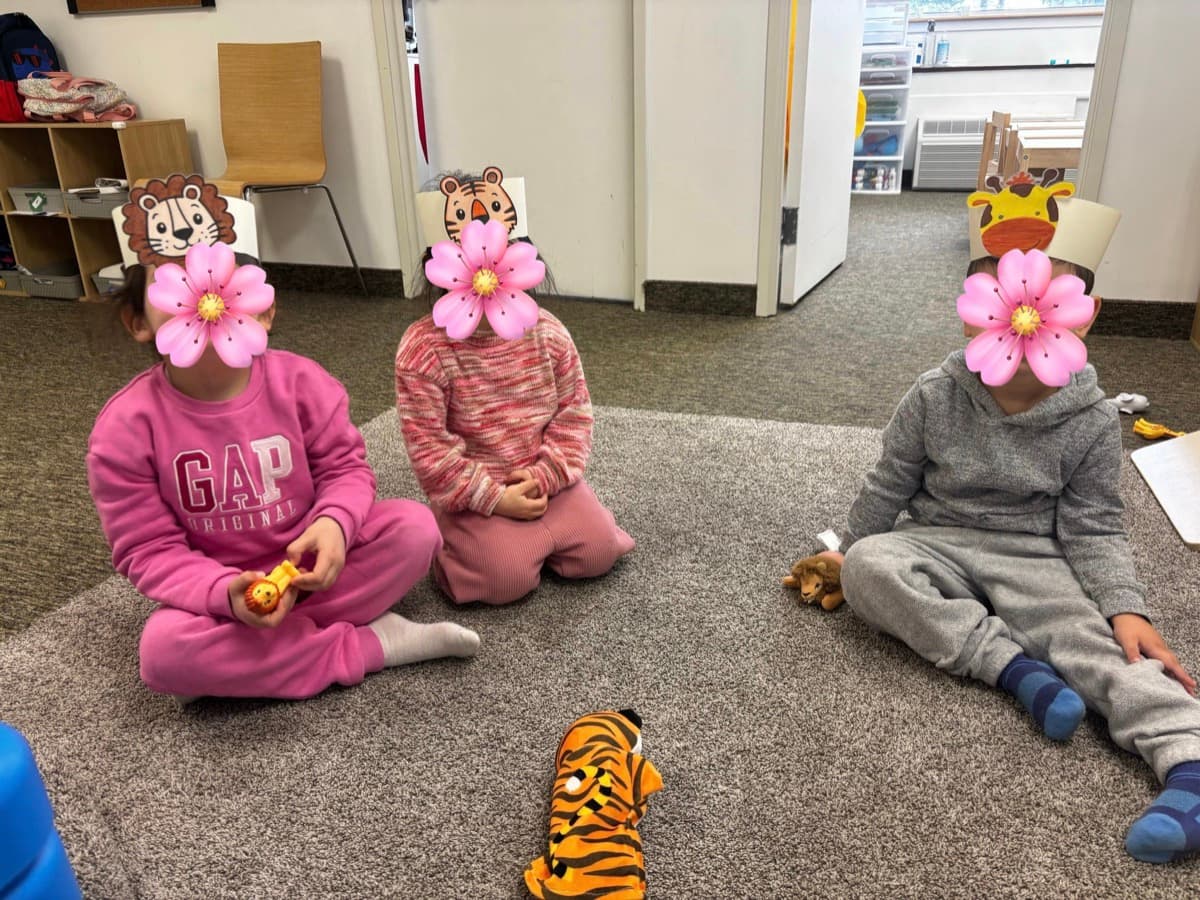
At QAF, Arabic is not a subject that happens once a week. It is woven into every part of the day. Morning greetings happen in Arabic. Songs are sung in Arabic. Classroom routines, from lining up to washing hands, are narrated in Arabic. This constant, natural exposure is what linguists call “immersion,” and it is the most effective way for young children to acquire a new language.
The Science Behind Early Language Learning
Research in neuroscience has shown that children between the ages of 3 and 6 are in what scientists call a “critical period” for language acquisition. During this window, the brain is uniquely wired to absorb new languages with remarkable efficiency. Unlike older learners who must consciously study grammar rules, young children acquire language intuitively, simply by hearing it and using it in meaningful contexts.
Studies from the University of Washington and Harvard’s Center on the Developing Child consistently show that bilingual children develop stronger executive function skills, including better attention control, cognitive flexibility, and working memory. These are the same skills that predict academic success in later years, which is why our JK/SK program integrates Arabic immersion with Ontario’s curriculum expectations.
What Arabic Immersion Looks Like at QAF
Every morning, children arrive between 8:45 and 9:00 AM and are greeted in Arabic by their teacher. The daily schedule flows naturally between Arabic and English. Morning circle includes Arabic greetings, counting, days of the week, and a short surah. During the Montessori-inspired work cycle, many materials are labeled in both Arabic and English. Arabic songs and nasheed play during transitions. Even lunch is an Arabic learning opportunity, with children practicing food vocabulary and the adab of eating.
For Families Who Don’t Speak Arabic at Home
Many of our families do not speak Arabic at home, and that is perfectly fine. In fact, one of the most rewarding parts of our program is watching children from non-Arabic-speaking households begin counting, greeting, and even telling stories in Arabic within just a few months. Young children do not need textbooks or grammar drills. They need a rich environment where the language is alive, and that is exactly what we provide. Check our FAQ page for more answers to common questions about our Arabic approach.
Arabic and the Connection to Quran
For Muslim families, early Arabic immersion has a significance that goes beyond cognitive benefits. Arabic is the language of the Quran, of salah, and of du’a. When a child grows up hearing and speaking Arabic naturally, their relationship with these sacred practices deepens. At QAF, children recite short surahs from Juz Amma as part of their daily routine. By Senior Kindergarten, they begin to understand simple Quranic vocabulary, not as foreign words but as familiar ones.
Measurable Outcomes
By the end of Senior Kindergarten, our students can recognize Arabic letters in all three positions (initial, medial, final), hold a simple conversation with a teacher or peer in Arabic, understand and follow classroom instructions in Arabic, sing more than a dozen Arabic songs and nasheeds, and recite short surahs with confidence. These are not just academic milestones. They are the foundation for a child who will grow up feeling at home in the Arabic language and connected to their faith. Learn more about these learning outcomes on our Program page.
Want to see Arabic immersion in action? Submit an inquiry and visit our classroom. You’ll hear the language being spoken, watch children engaging with Arabic materials, and see for yourself why our approach works.