The best Quran classes for teens in Ottawa treat 12- to 15-year-olds as young adults: they group students by level rather than age, explain meaning as well as recitation, and fit around a real high school workload. In Ottawa, teens can choose from weekend mosque programs, youth halaqat, structured Sunday programs, hifz circles and online tutors. This guide explains what each option offers, how to choose, and how to get a reluctant teen genuinely on board.
Key takeaways
- Teens learn Quran best in small groups by level, with a teacher who explains meaning and respects their questions.
- Ottawa options include weekend mosque programs (for example in Orléans, Kanata and the Ottawa Main Mosque), youth programs, online tutors and Sunday programs such as QAF Sunday Camp (ages 8 to 15).
- A teen who still reads slowly needs a private or level-matched class, not a room of younger children.
- Protect sleep and homework time: one consistent weekly class plus short daily review beats several late-night sessions.
Quran classes for teens in Ottawa at a glance
| Option | Best for | Typical schedule | What to ask |
|---|---|---|---|
| Weekend mosque Quran program | Steady reading and memorization | Saturday or Sunday, 1–3 hours | Are teens grouped by level? Who teaches? |
| Youth halaqa or youth group | Belonging, discussion, mentors | Weekly or monthly evenings | Is there Quran content, or mainly social? |
| Structured Sunday program | Quran plus Arabic and peers in one block | Sunday, several hours | Age range, class size, level groups |
| Hifz circle (part-time) | Motivated memorizers | 2–5 sessions a week | Revision system, progress tracking |
| Online one-on-one tutor | Busy schedules, catch-up, tajweed | Flexible, 30–60 minutes | Teacher vetting, recording policy |
| Family-led study at home | Understanding and reflection | Weekly, 20–40 minutes | A shared tafsir or translation to read |
Programs change from year to year, so contact each one directly for the current schedule and fees.
Why teens need a different kind of Quran class
A teen Quran class is not simply a children's class with older students. At 12 to 15, young people want reasons, not just rules. They are forming their own identity and will engage when they feel respected and lose interest quickly when they feel talked down to.
In our experience, three things make the difference for this age:
- Meaning. Teens connect when they understand what they recite. A class that spends even ten minutes on the meaning of a passage gives them something to think about all week.
- Peers. Being with other Muslim teens who take Quran seriously is powerful, especially for students who are one of a few Muslims in their public school.
- A mentor. A teacher who listens, remembers their name and answers hard questions honestly can shape a teen's relationship with the Quran for life.
The Prophet Muhammad (peace be upon him) said that the best of people are those who learn the Quran and teach it (Sahih al-Bukhari 5027). For a teen, that can be a real goal: not only to recite, but one day to help a younger sibling or friend learn.
Types of teen Quran programs in Ottawa
1. Weekend mosque programs
Several Ottawa mosques run weekend Quran programs that include teens. For example, the Islamic Society of Cumberland at Masjid Bilal in Orléans has opened registration for its 2026–2027 Quran program covering reading, memorization and understanding, with a separate brothers-only program for those 16 and over who can already read. OMA Sunday School runs Sunday mornings at the Ottawa Main Mosque on Northwestern Avenue.
Best for: Families who want a community setting at a modest cost. Ask about: How many teens are in a class, whether younger children are mixed in, and whether there is a separate track for girls and boys.
For a full list of weekend programs by neighbourhood, see our guide to weekend Islamic schools in Ottawa.
2. Youth programs and halaqat
Youth programs focus on belonging, brotherhood or sisterhood, sports and discussion. The Kanata Muslim Association, for example, runs STR!VE, a boys' program for ages 13 to 17, and lists separate Quran programs for brothers and sisters on its events calendar.
Best for: Teens who need friends and role models first; Quran motivation often follows. Ask about: How much Quran content each session includes. Many youth programs are excellent for identity but are not a replacement for a Quran class.
3. Structured Sunday programs
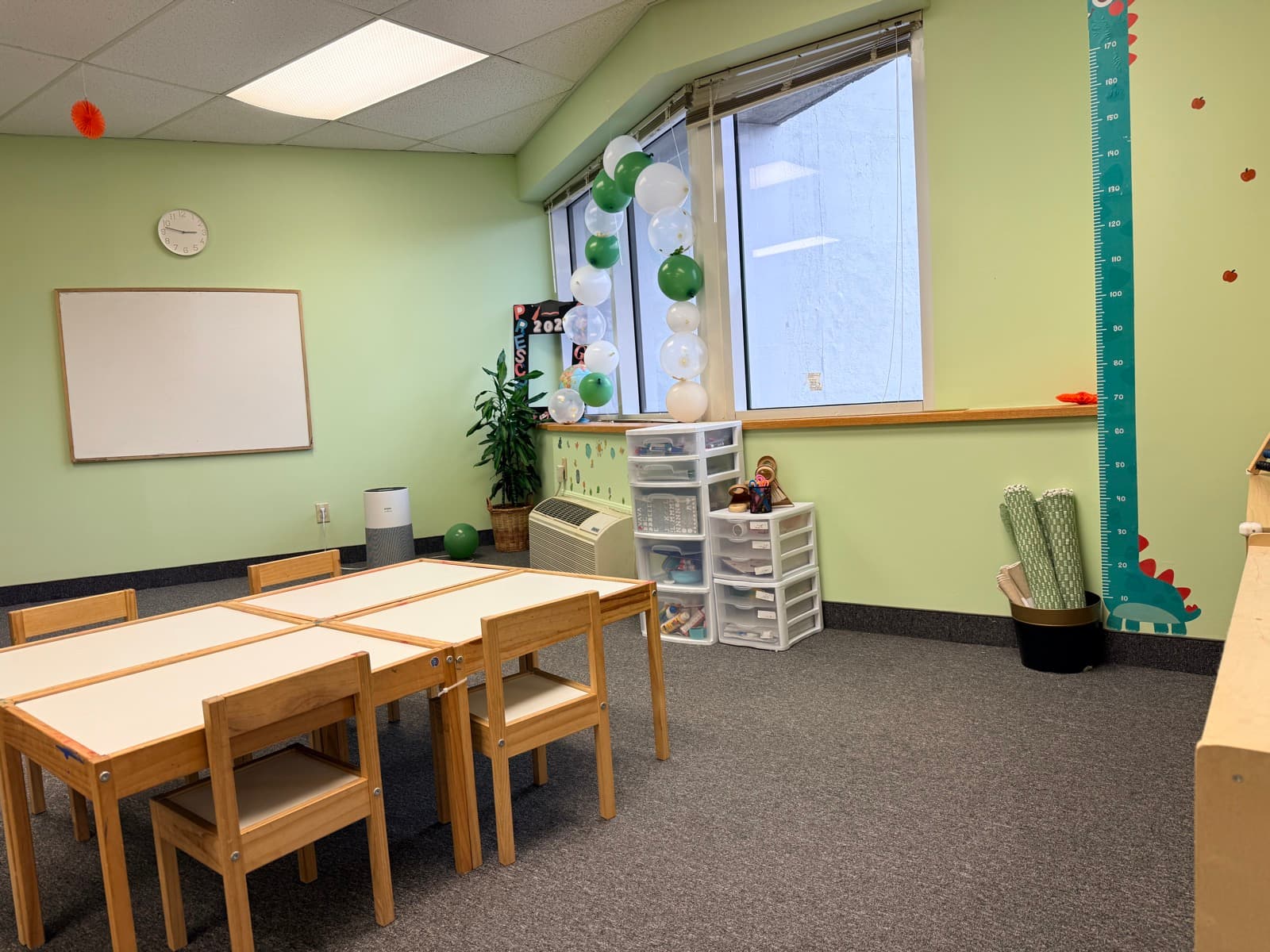
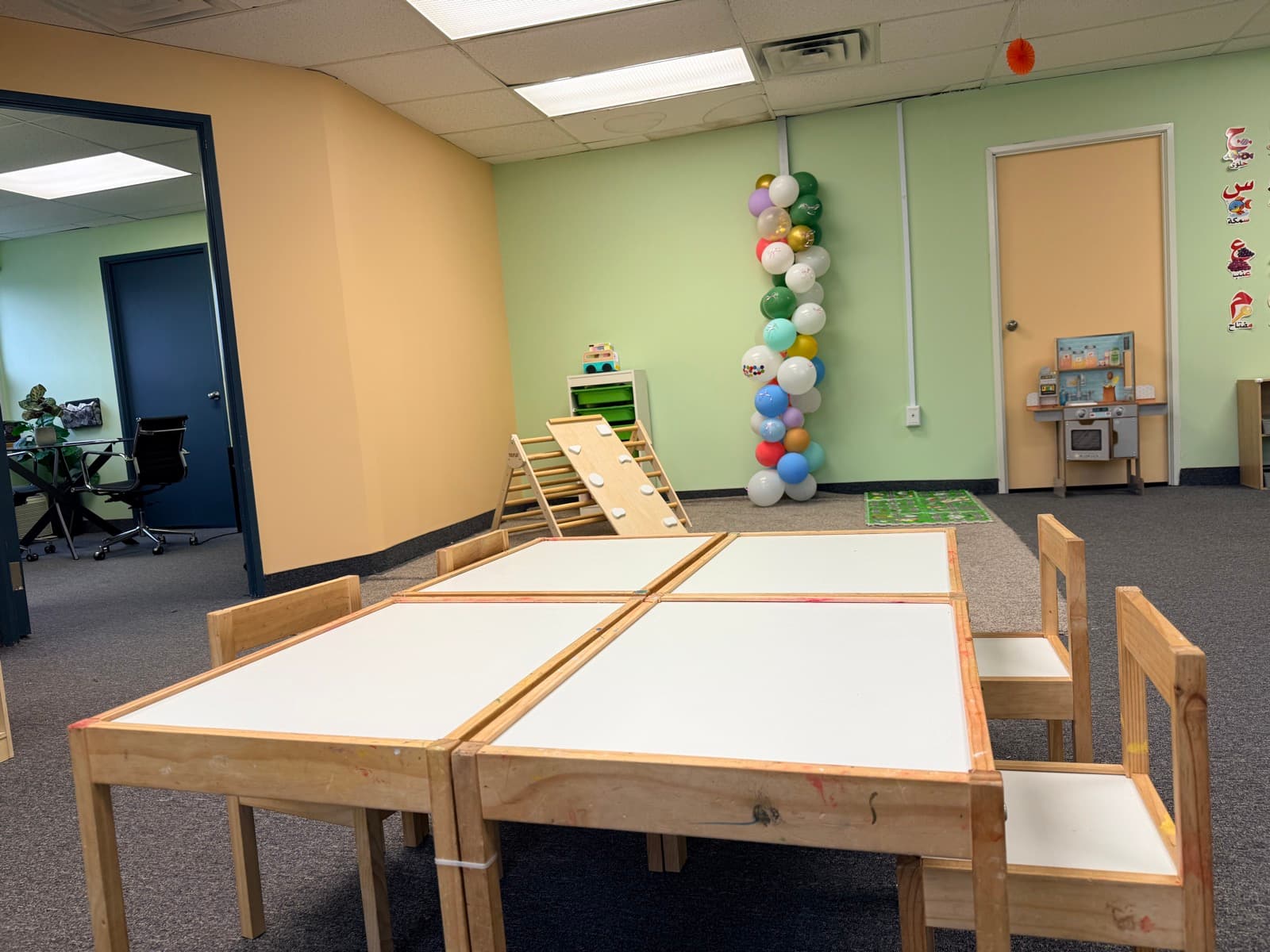
A structured Sunday program combines Quran with other learning in one predictable block. QAF Sunday Camp, for ages 8 to 15, runs every Sunday from 11 AM to 3 PM at 900 Dynes Rd. It opens with an hour of Quran in small groups by level, followed by Arabic reading and writing, math and STEM, and soccer or indoor games. The older students form the senior class, with their own room and teacher.
Best for: Younger teens (12 to 15) who benefit from peers, routine and a mix of learning and activity. Ask about: Whether your teen will be placed by reading level, and how progress is shared with parents.
4. Part-time hifz circles
Some teens want to memorize larger portions of the Quran. Part-time hifz circles meet several times a week and rely on a clear system of new memorization and revision. QAF runs Quran and hifz halaqat with a parent portal that shows attendance and hifz progress, so parents can see consistency at a glance.
Best for: Motivated teens with a good reading foundation and an organized family schedule. Ask about: The revision system, how mistakes are corrected, and what happens during exam periods. Our guide to part-time hifz explains realistic expectations.
5. Online tutors
One-on-one online classes are flexible and can fix specific issues, such as tajweed or slow reading, quickly. They work well for teens with full schedules or those who feel self-conscious in a group.
Best for: Catch-up, tajweed polishing, or teens in areas far from a program. Ask about: Teacher qualifications, whether a parent can sit in, and whether sessions are recorded. Our comparison of online vs in-person Quran classes covers the trade-offs in depth.
How to choose the right Quran class for your teen
Use these questions to compare options. A program does not need to be perfect on every point, but it should be strong on the ones that matter most for your teen.
- Level placement: Will your teen be assessed and placed by reading level, not just age?
- Teacher: Is the teacher experienced with teens, fluent in tajweed, and able to explain meaning in English?
- Class size: Small groups let every student recite every session.
- Meaning: Does the class include translation, tafsir or reflection, not only recitation?
- Progress: How will you know if your teen is improving? Ask for a progress report or portal.
- Schedule: Does it fit around homework, sports and sleep?
- Safety: Are teachers screened, and are online sessions visible to parents?
- Environment: Will your teen feel welcome to ask questions, including difficult ones?
Tip: Ask if your teen can attend one trial class. Their reaction after the first session will tell you more than any brochure.
When your teen still can't read Quran fluently
Many Muslim teens in Canada can recite a few short surahs from memory but cannot yet read fluently from the mushaf. This is common and fixable, but it needs a careful approach.
- Avoid placing a 14-year-old with 7-year-olds. It is embarrassing and usually ends with the teen refusing to go.
- Start with a private or small catch-up class. With focused practice, a motivated teen can often move through the qaida stage much faster than a young child.
- Use a structured primer. Our comparison of Noorani Qaida vs Qaida Baghdadia helps you pick one.
- Practise little and often. Ten to fifteen minutes a day of reading aloud works better than one long weekly session.
Frame it as a skill they are building, like learning an instrument, not a gap they should be ashamed of.
Fitting Quran into a high school schedule
Grades 7 to 10 bring more homework, more activities and later bedtimes. A Quran routine that ignores this will not last.
| Weekly piece | Time | Purpose |
|---|---|---|
| One main class | 1–2 hours, same day each week | Teaching, correction, new material |
| Daily review | 10–15 minutes | Keep reading fluent and memorization fresh |
| Weekly family reflection | 20 minutes | Discuss the meaning of one passage together |
Protect sleep. The Canadian Paediatric Society advises 8 to 10 hours a night for teens, so avoid late-night classes on school nights where possible. A weekend class plus short daily review is often the most sustainable pattern.
During exam periods, scale back new memorization and focus on revision. Teens should know that a lighter week is part of the plan, not a failure. For weekday ideas, see our guide to a Quran routine after school.
Getting a reluctant teen on board
Teens rarely respond to pressure. They respond to choice, purpose and relationships.
- Give them a say. Visit two or three options together and let them have real input in the choice.
- Connect it to meaning. Read the translation of a passage together and ask what they think it says to them.
- Find their friends. A class where they know one or two people is far easier to start.
- Set a personal goal. Leading a family prayer, finishing a juz, or reading Surah Al-Kahf on Fridays gives them something to aim for.
- Model it. Teens notice whether their parents read Quran themselves.
Quran.com offers recitation, translation and tafsir side by side, which makes it easy to look up a passage together after class.
For more on supporting faith through the teenage years, see our guide to Muslim teens and identity in Canada.
How much do teen Quran classes cost in Ottawa?
Costs vary widely depending on format:
- Mosque weekend programs are usually the lowest-cost option, with modest annual or monthly fees.
- Structured programs cost more but include more hours and subjects. QAF Sunday Camp is $190 per month, September to June, for four hours every Sunday.
- Private tutors charge per session, and rates depend on the teacher's experience and session length.
Compare cost per hour of teaching and the level of individual attention, not just the monthly figure. Our overview of Quran classes in Ottawa has more on pricing across age groups.
Is QAF right for your family?
QAF Sunday Camp suits teens aged 12 to 15 who want a structured Sunday with Quran in small level-based groups, plus Arabic, STEM and sport with peers their age. It works well for students in public or Catholic school who need their Quran learning to stay off busy weeknights.
It is most practical for families in Nepean, Barrhaven, Centretown and nearby areas, since the camp is at 900 Dynes Rd near Prince of Wales Drive. Families in Orléans or Kanata may find a local mosque program easier to sustain every week.
It is not the right fit for teens 16 and older, who have aged out of the camp; a mosque youth program or adult class will suit them better. If your teen is aiming for a full-time hifz track, ask us about our Quran halaqat through the contact page, or consider a dedicated hifz program.
Helping your teen build a lifelong bond with the Quran
The goal for a teenager is not just to finish a class. It is to leave the teenage years with a relationship with the Quran that they own. Choose a program that respects them, places them at the right level, explains meaning, and fits their life. Then support it at home with short daily review and real conversation.
Looking for a Sunday Quran class for your 12- to 15-year-old? QAF Sunday Camp runs every Sunday, 11 AM to 3 PM, at 900 Dynes Rd: Quran in small groups by level, Arabic, STEM and soccer for $190 a month. See Sunday Camp details and enrol, or call or WhatsApp us with questions.