When parents search for “Arabic classes for kids,” they usually mean one of three very different things: a school where Arabic is spoken all day, a weekend class where children learn to read and write, or a private tutor. Each can work. Each works best at a different age and for a different goal. This guide helps Ottawa families match the option to the child.
Option 1: Daily Immersion (Best for Ages 4 to 6)
Young children do not learn languages the way adults do. Between roughly ages 3 and 6, they absorb sounds, vocabulary, and sentence patterns simply by living inside a language. That is why daily immersion is so powerful in the early years: Arabic is not a subject, it is the language of greetings, songs, routines, and play. We explain the research behind this in why early Arabic immersion matters.
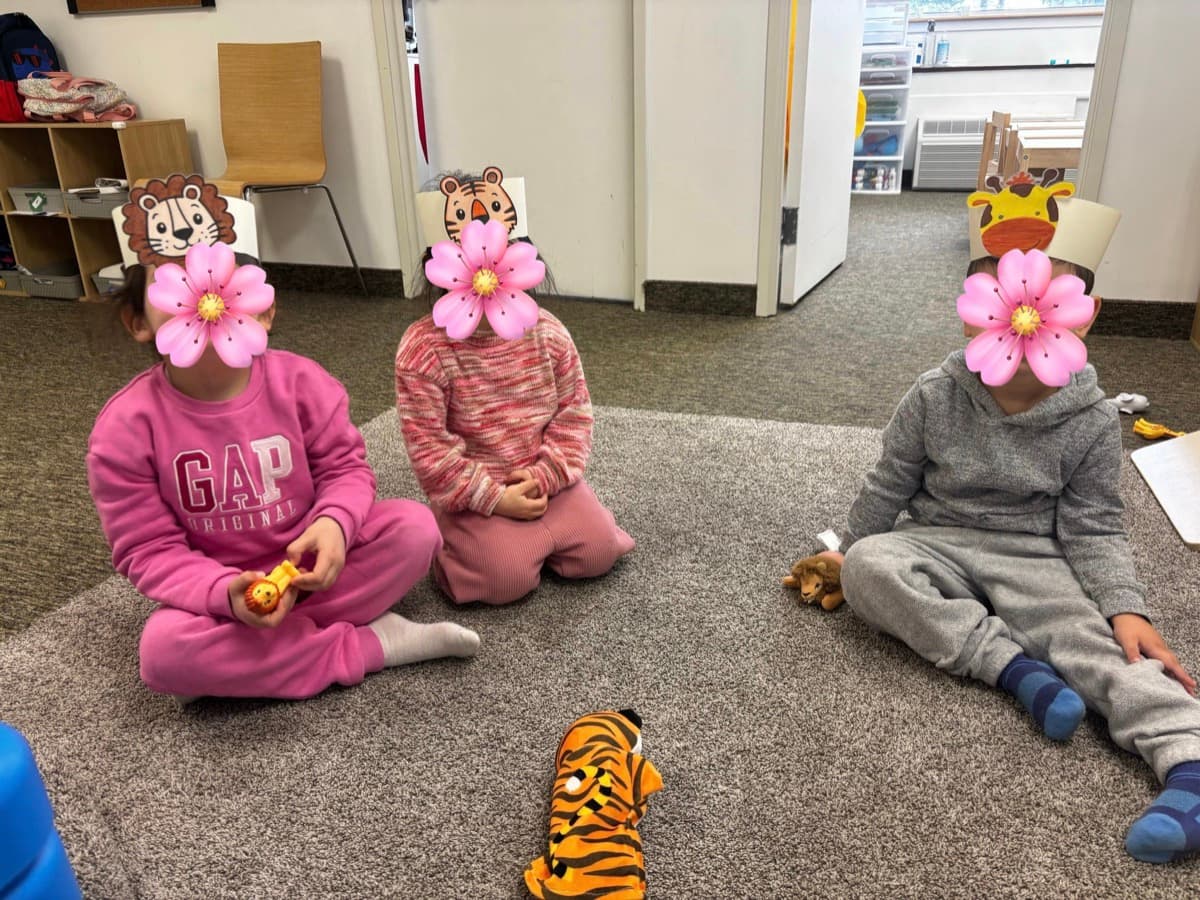
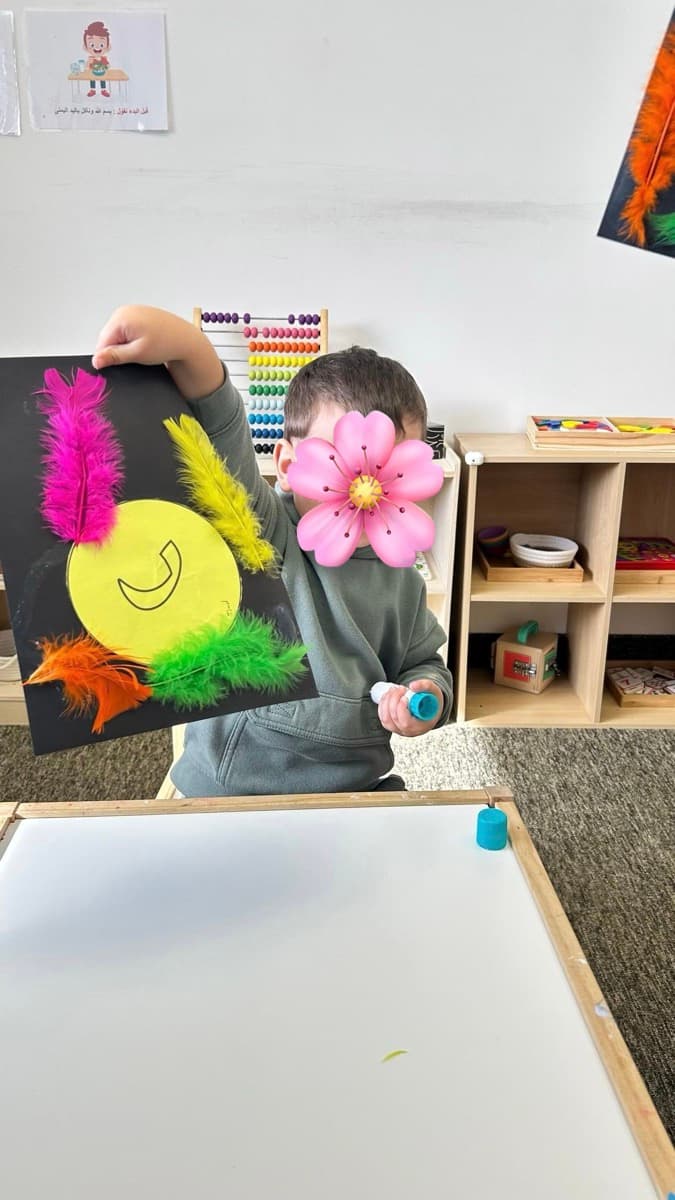
At QAF, children aged 4 and 5 hear and use Arabic every day in our Islamic JK/SK program. By the end of Senior Kindergarten, children typically recognize Arabic letters in all their positions, follow classroom instructions in Arabic, hold a simple conversation, and recite short surahs with confidence, all without any Arabic required at home.
Option 2: Weekend Arabic School (Best for School-Age Children)
For children who attend public school during the week, a weekend program is the most practical way to build real Arabic literacy. The best ones group children by level, focus on reading and writing with steady practice, and pair Arabic with Quran so the two reinforce each other. Many masajid and community centres in Ottawa run Saturday or Sunday programs.
QAF’s own Sunday Camp is built for ages 8 to 15. Every Sunday from 11 AM to 3 PM, children have a Quran class in small groups by level, an Arabic reading and writing class, math and STEM, and an hour of soccer or indoor play. Juniors work on letters and reading fluency; seniors move into writing and everyday vocabulary. It runs September to June for $190 a month, month to month.
Option 3: Tutoring and Online Classes
One-on-one tutoring is flexible and can target exactly where a child is stuck. Online classes widen the choice of teachers. The trade-offs: young children often struggle to stay engaged on a screen, and learning alone means missing the peer motivation that makes language feel alive. Tutoring works best as a supplement for older children who already have a foundation, or for a specific goal like preparing for a reading level.
Questions to Ask Any Arabic Program
- Are children grouped by level, or by age only?
- Which variety of Arabic is taught: Modern Standard Arabic, a spoken dialect, or both?
- What does progress look like after one term, and how is it reported to parents?
- How large are the classes, and who teaches them?
- Is the program designed for families who don't speak Arabic at home?
- What practice, if any, is expected at home each week?
Helping at Home When You Don’t Speak Arabic
Many QAF families do not speak Arabic, and their children thrive. You do not need to teach the language yourself. What helps most is consistency and warmth: play Arabic songs and stories in the car, ask your child to teach you one word a day, label a few things around the house, listen to Quran recitation together, and set aside ten minutes for reading practice on most days. Children love being the expert, and their confidence grows every time they teach a parent something new.
Choosing by Age
If your child is 4 or 5, daily immersion in kindergarten gives the strongest foundation you will ever be able to give. If your child is in elementary or middle school, a structured weekend program with Quran and Arabic together, plus a little practice at home, builds lasting literacy. Either way, the best Arabic class is one your child looks forward to.
Questions about Arabic at QAF? Submit an inquiry for our JK/SK program, or reserve a Sunday Camp spot for ages 8 to 15.