The benefits of learning Arabic for kids fall into three groups: spiritual (understanding the Quran, salah and duas), personal (a stronger Muslim identity and closer family ties), and practical (a second script, a global language, and real everyday use in Canadian cities like Ottawa). The earlier a child starts, the easier the sounds and the script tend to come. Here are 11 benefits worth knowing, what's realistic, and how to make sure your child actually gets them.
Key takeaways
- For Muslim children, the biggest benefit is understanding the words they already say in salah and Quran recitation.
- Arabic is a global language: one of six official UN languages, used daily by more than 400 million people according to UNESCO.
- In Canada it's also a local language. Arabic was the most common non-official language spoken at home in Ottawa–Gatineau in the 2021 Census.
- Learning a second script and a very different language gives children practice noticing how language works.
- The benefits depend on consistency. Short daily practice plus a good teacher matters more than starting age alone.
Benefits of learning Arabic at a glance
| Benefit | Who gains most | When it starts to show |
|---|---|---|
| Understanding the Quran | Every Muslim child | From the first surah learned with meaning |
| Salah and duas with meaning | Every Muslim child | Early, with daily phrases |
| Access to Islamic knowledge | Older children and teens | As reading improves |
| Muslim identity and belonging | Every Muslim child | Early and lasting |
| Family and heritage ties | Children with Arabic-speaking relatives | As soon as they speak |
| Language awareness from a second script | Young readers | Ages 4–7 |
| Easier pronunciation when starting early | Children who start young | Ages 3–7 |
| A gateway to other languages | Multilingual families | Over time |
| A local language in Canadian cities | Ottawa and other urban families | Right away |
| A global language | All learners | Over time |
| Future study and career options | Teens and beyond | Long term |
Spiritual benefits of learning Arabic
1. Understanding the Quran
This is the benefit that matters most to Muslim families. Allah says:
إِنَّا أَنزَلْنَاهُ قُرْآنًا عَرَبِيًّا لَّعَلَّكُمْ تَعْقِلُونَ
"Indeed, We have sent it down as an Arabic Quran so that you may understand" (Surah Yusuf 12:2).
A child who learns Arabic doesn't just recite the Quran, they begin to understand it directly. Even a small vocabulary changes the experience. When a child knows that رَبّ means "Lord" and النَّاس means "people," Surah An-Nas stops being a string of sounds. Our guide to short surahs for kids includes meanings to start with.
2. Salah and duas with meaning
Every Muslim child prays in Arabic. Learning the language means the words of salah, the adhkar after it and everyday duas carry meaning. A child who understands سُبْحَانَ رَبِّيَ الْعَظِيمِ ("Glory be to my Lord, the Most Great") in rukuʿ is praying, not just repeating. Start with the duas your child already says every day, and learn their meanings together.
3. Access to Islamic knowledge
As reading grows, Arabic opens the original sources: tafsir, hadith collections, the biography of the Prophet ﷺ and centuries of scholarship. Translations are valuable, but every translation is also an interpretation. A teen who can check the Arabic has a deeper, more independent relationship with their deen.
Identity and family benefits
4. A stronger Muslim identity
Children growing up as a minority often ask, quietly, "where do I belong?" Arabic gives them something shared with Muslims everywhere. Most of the world's Muslims aren't Arab: the Pew Research Center estimated that in 2010 only about one in five lived in the Middle East and North Africa. Yet all of them pray in the same language. For more on this, read our guide to Arabic for non-Arab Muslim kids.
5. Closer ties with family and heritage
For children of Arabic-speaking families, Arabic is the language of grandparents, cousins, family stories and jokes. Children who lose it often lose some of that closeness. Keeping Arabic strong in Canada takes effort, because English tends to take over quickly once school begins. But it's what allows a child to have a real conversation with their teta or jiddo, not a translated one.
Learning and thinking benefits
6. Language awareness from a second script
Arabic is written right to left, letters change shape depending on their position, and short vowels are shown with small marks (harakat). Learning all this gives children lots of practice noticing how language works: which sounds make up a word, how words are built, why spelling follows patterns.
A note on honesty: researchers still debate whether being bilingual gives children a broad "brain boost," so be cautious of anyone promising higher grades or IQ. The benefits above are about language skills and awareness, and they come from real, regular practice.
7. Easier pronunciation when children start early
Arabic has sounds that don't exist in English or French, like ع، ح، ق and the "heavy" letters ص، ض، ط، ظ. Young children tend to pick up new sounds more easily and with less self-consciousness than older learners. That's one reason many families start reading Arabic between ages 4 and 6. Our post on why early Arabic immersion matters goes deeper.
8. A gateway to other languages
Arabic words travelled widely. Many languages spoken by Muslim families, including Urdu, Persian, Turkish, Malay and Swahili, borrowed heavily from it. Even English has Arabic roots in everyday words:
| English | Arabic source | Meaning |
|---|---|---|
| algebra | الجَبْر (al-jabr) | restoring, completing |
| zero | صِفْر (ṣifr) | zero, empty |
| giraffe | زَرَافَة (zarāfa) | giraffe |
| coffee | قَهْوَة (qahwa) | coffee |
| cotton | قُطْن (quṭn) | cotton |
Children love discovering these. The word "algebra" comes from the title of a book by the scholar al-Khwarizmi, which is a great story for a math-loving child.
Benefits of learning Arabic in Canada
9. A local language, not just a foreign one
In Canada, Arabic isn't only spoken "over there." In the 2021 Census, Statistics Canada found that Arabic was the most common non-official language spoken at home in Ottawa–Gatineau. Nationally, the number of people speaking Arabic predominantly at home grew by 28% between 2016 and 2021, to about 286,000 people (Statistics Canada).
For a child in Ottawa, that means Arabic-speaking classmates, neighbours, shopkeepers and community members. Arabic is useful here, today.
10. A truly global language
Arabic is one of the six official languages of the United Nations, alongside English, French, Spanish, Russian and Chinese. UNESCO notes that it is used daily by more than 400 million people, and World Arabic Language Day is marked every year on December 18, the date the UN General Assembly adopted Arabic as an official language in 1973. December 18 makes a great family "Arabic day" at home.
11. More options for future study and work
A teen who reads and speaks Arabic well has an uncommon skill in Canada. It can support future study in fields like languages, Islamic studies, history, international affairs and translation, and it's useful in work that serves Arabic-speaking communities, from health care to settlement services. No one can promise a specific job, but a strong second or third language is rarely wasted.
Are there any downsides?
Honest answer: learning Arabic takes time and steady effort. It's a very different language from English and French, and progress can feel slow in the first year. A few things to watch for:
- Overload. If your child is already juggling English, French immersion and a home language, start small and keep it enjoyable. Our guide to raising trilingual kids in Canada shows how families balance it.
- Losing the home language. If your family speaks Urdu, Somali or another language, Arabic should add to it, not replace it.
- Memorisation without meaning. Children can learn to recite without understanding. Teach meaning from the start so the spiritual benefits are real.
None of these is a reason not to learn Arabic. They're reasons to plan it well.
How to make sure your child gets these benefits
Step 1: Pick a clear goal
Decide whether your first priority is reading the Quran, understanding it, speaking Arabic, or all three. It shapes everything else.
Step 2: Start reading early
Ages 4 to 6 are a great time to learn letters and harakat with a structured method. Our guide to teaching the Arabic alphabet to kids walks you through it.
Step 3: Practise a little every day
Ten to fifteen minutes a day beats an hour once a week. Songs in the car, a word of the day at breakfast and a bedtime dua all count. Teaching Arabic at home has a simple weekly plan.
Step 4: Add meaning to everything
Every new surah, dua or phrase comes with its meaning. This is where the deepest benefits come from.
Step 5: Find a good teacher or program
Home practice builds love; a teacher builds skill. Look for a real curriculum, levels and progress you can see.
Where to learn Arabic in Ottawa
Ottawa has several routes. The Ottawa-Carleton District School Board's International & Indigenous Languages program lists Arabic for JK to Grade 8 in 2026–2027, with in-person Saturday classes and virtual options. For a full comparison of weekday, weekend and community options, see our guide to Arabic classes and programs for Ottawa kids.
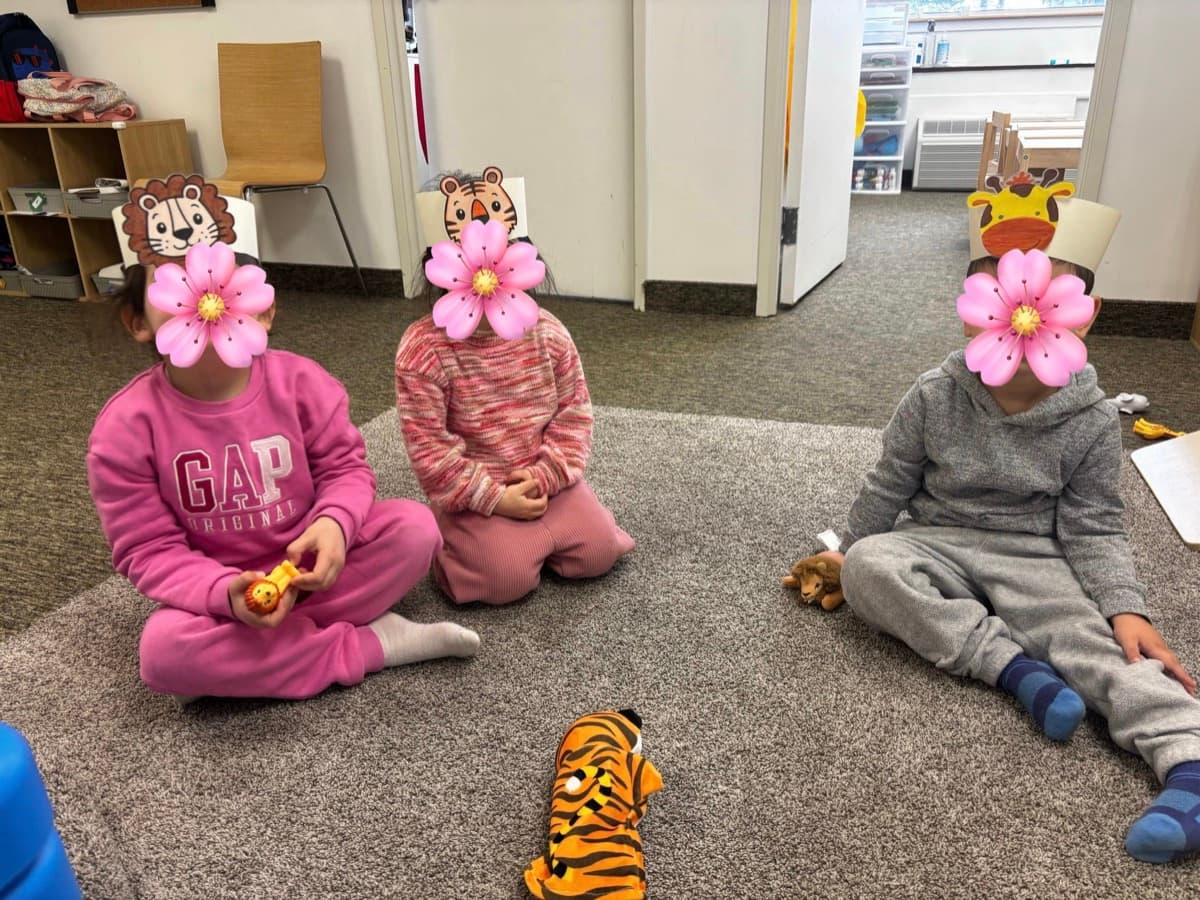
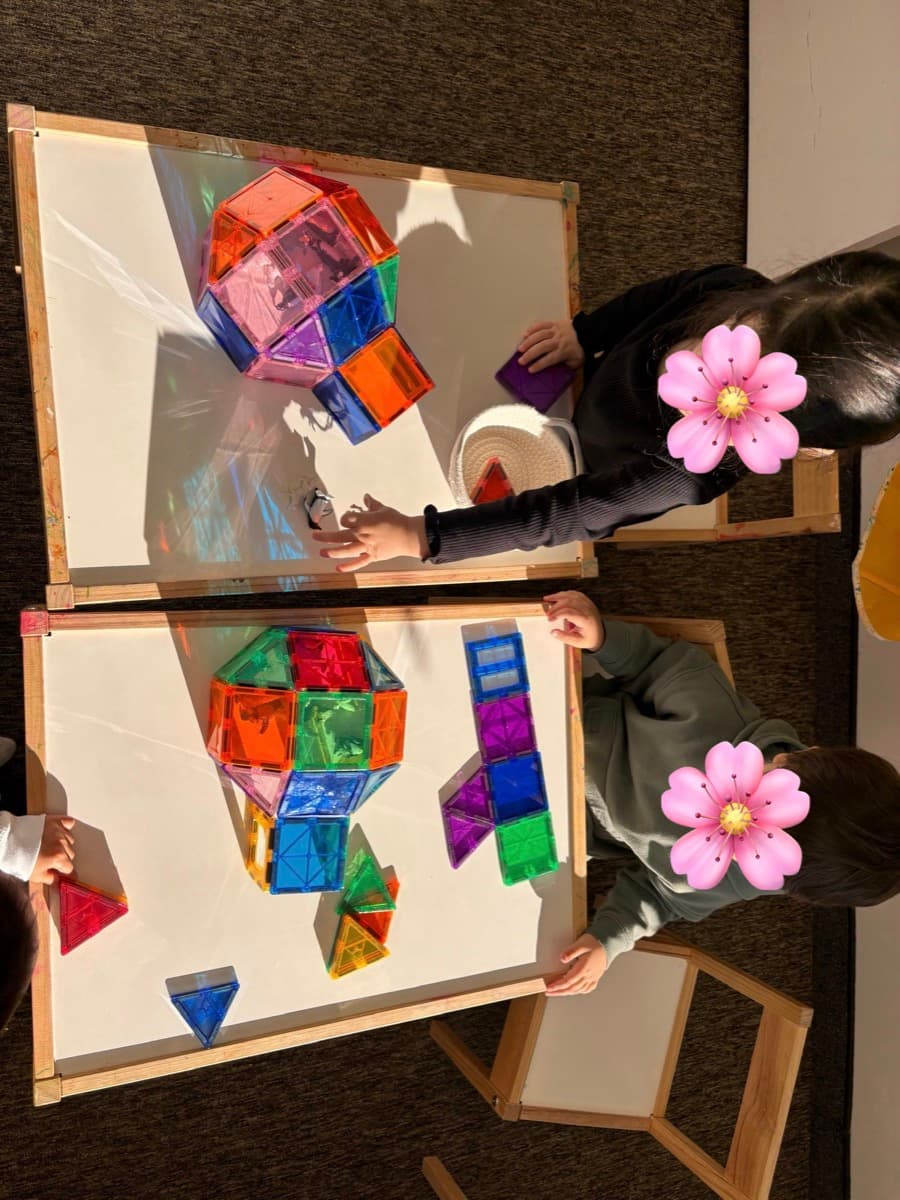
At QAF, our Islamic kindergarten in Ottawa is a full-day JK/SK program for ages 4 and 5 at 900 Dynes Rd in Nepean, with daily Arabic immersion, Quran from Juz Amma, duas and Islamic Studies alongside Ontario's kindergarten curriculum. Daily exposure during these years is one of the most effective ways to make Arabic feel natural.
For ages 8 to 15, our Sunday Arabic camp in Ottawa runs Sundays from 11 AM to 3 PM, September to June, with Arabic reading and writing, Quran, math and STEM, and soccer, at $190 a month.
Is QAF right for your family?
QAF is a strong fit if you live in or near Nepean, your child is 4 or 5, and you want Arabic to be part of every school day rather than an extra. Families who value the spiritual benefits above, understanding Quran and salah from the very beginning, tend to feel at home with our approach. For children aged 8 to 15 who attend another school during the week, Sunday Camp offers a once-a-week dose of Arabic and Quran in a lively, active setting.
QAF isn't the right fit if your child is 6 or 7 or younger than 4, since our programs don't serve those ages, or if a daily drive to Nepean isn't practical. In that case, a weekend class near you plus daily home practice can still deliver many of these benefits. Our overview of weekend Islamic schools in Ottawa is a good place to start.
The bottom line
The benefits of learning Arabic for kids are real and lasting: a direct connection to the Quran and salah, a stronger sense of who they are, closer family ties, and a global language that's also spoken right here in Ottawa. The key is to start early, practise a little every day, and always learn the meaning alongside the words.
Want your child to grow up understanding the Quran they recite? Visit our JK/SK classroom in Nepean and see daily Arabic immersion in action. Submit an inquiry to book a visit, or call or WhatsApp us with your questions.